Home

ASCOBANS

Agreement on the Conservation of Small Cetaceans of the Baltic, North East Atlantic, Irish and North Seas
  • The Agreement
    Introduction
    Agreement Text
    Parties and Range States
    How to become a Party
    Organizational Structure
    Secretariat
    • Secretariat
    • Opportunities
  • Documents
    By Meeting
    • Meetings of Parties
    • Advisory Committee
    • Other meetings
    By Type
    • Resolutions
    • Action Plans
    • National Reports
  • Conservation Activities
    Working Groups
    Projects
    Campaigns
    Workshops
  • Small Cetaceans
    Species
    Threats
    • Threats
    • Bycatch
    • Prey Depletion
    • Marine Pollution
    • Underwater Noise
    • Ship Strikes
    • Unexploded Ordnance
    • Disease
    Take Action!
  • Resources
    Guidelines
    Scientific Publications
    Newsletter
    Outreach Material
News
• Media Watch

We’ve discovered why some whales stop feeding in response to the sound of sonar

Share
Copied to clipboard

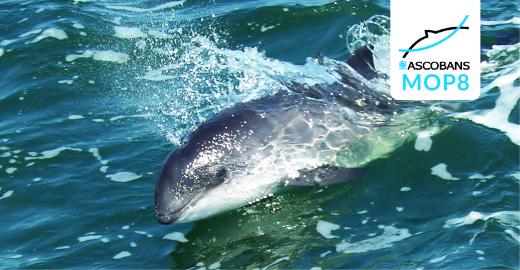
In September 2002, a number of beaked whales were stranded and killed in the Canary Islands during a NATO naval exercise. It was the first time we started to get a real understanding of the negative effects of sonar sounds on cetaceans, which includes whales, dolphins and porpoises.
The Conversation


Source URL:
The Conversation
Informea
UN
UNEP

Secretariat

Agreement on the Conservation of Small Cetaceans of the Baltic, North East Atlantic, Irish and North Seas
UN Campus, Platz der Vereinten Nationen 1, 53113, Bonn, Germany
(+49 228) 815 2416
-
ascobans.secretariat@ascobans.org

Connect with us

Please visit our facebook1 page Please visit our twitter1 page Please visit our LinkedIn page Please visit our Youtube page


Login


Copyright 1991 - 2026 ASCOBANS - All rights reserved