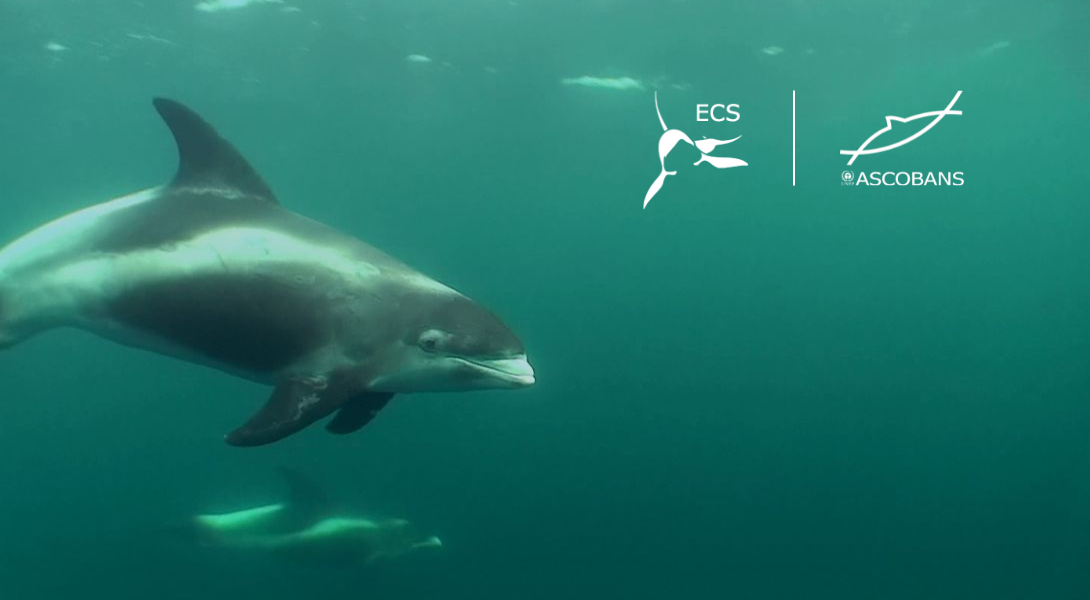
Despite some recent advances in our knowledge, the white-beaked dolphin (Lagenorhynchus albirostris) and Atlantic white-sided dolphin (Leucopleurus acutus) remain two of the least-studied dolphins across their range. For both species, there are few estimates of life-history parameters; no reliable overall abundance estimates for either species that encompass their range, limited information on population trends, and a poor understanding of the conservation threats and population-level impacts faced by either species. One fundamental issue has been distinguishing the two species during abundance surveys, and concerns remain over mortalities resulting from direct hunting and bycatch.
There is a potential risk of local extirpation of the southernmost populations of white-beaked dolphin, which could lead to the loss of a significant proportion of species-wide genetic diversity whilst the Atlantic white-sided dolphin appears to have a relatively narrow ecological niche, which makes them particularly vulnerable.
This workshop aims to present current knowledge and data gaps for both species, foster collaboration across national boundaries, and discuss the development and components of an ASCOBANS conservation plan, similar to existing plans for other small cetaceans.
The workshop is part of the European Cetacean Society (ECS) conference, taking place in Dundee, Scotland, UK. Registrations can be done through the ECS website by 10 April 2026.
For any questions you can contact the ASCOBANS Secretariat, [email protected] .